
Describe the property
Send the location, symptoms, equipment and access details. State whether the work is a repair, replacement or planned project.
Need plumbing help in Mitchell? Tell us about the leak, blocked drain, fixture or water heater. A responding provider will confirm coverage and availability before booking.
Get A Free QuoteCompare tank and tankless options using the existing fuel, venting, connections, capacity and household hot-water demand. A tankless conversion may require additional utility or venting changes.
View scopeDescribe affected fixtures and recurring symptoms. If older clay tile, PVC or renovation work is involved, ask whether root cutting, jetting or a camera inspection suits the pipe and its condition.
View scopeDocument visible galvanized or polybutylene piping, pressure changes and leaks. Compare PEX or copper proposals, the replacement scope, wall access, testing and finish restoration.
View scopeCheck measurements, rough-ins, connections and clearances before selecting fixtures. New-build trim-out also depends on the fixture schedule, finished surfaces and construction sequence.
View scopeRecord meter movement, stains, warm floor areas or pump cycles. Acoustic, thermal or sectional testing may help narrow a hidden leak before access and repair are planned.
View scopeCompare basin inflow, pump cycling, discharge routing and outage history. These details help assess pump capacity, backup-power needs and whether a backwater valve suits the connection.
View scopeIdentify the water source and test for the specific concern before choosing equipment. Results, household use and maintenance needs guide softener, iron filtration or UV comparisons.
View scopeWater treatment should follow test results, not assumptions about a street or property type. For a job in Mitchell, first identify whether the supply is municipal or from a private well and arrange appropriate testing for the concerns involved. Hardness, iron and bacteria findings point to different equipment and treatment sequences. Share household size and water use, then compare capacity, regeneration settings, salt use and maintenance needs. If UV is being considered, ask what test results and pre-treatment conditions support that choice.
Compare tank and tankless options using the existing fuel, venting, connections, capacity and household hot-water demand. A tankless conversion may require additional utility or venting changes. Describe affected fixtures and recurring symptoms. If older clay tile, PVC or renovation work is involved, ask whether root cutting, jetting or a camera inspection suits the pipe and its condition. Document visible galvanized or polybutylene piping, pressure changes and leaks. Compare PEX or copper proposals, the replacement scope, wall access, testing and finish restoration.
Check measurements, rough-ins, connections and clearances before selecting fixtures. New-build trim-out also depends on the fixture schedule, finished surfaces and construction sequence. Record meter movement, stains, warm floor areas or pump cycles. Acoustic, thermal or sectional testing may help narrow a hidden leak before access and repair are planned.
Compare basin inflow, pump cycling, discharge routing and outage history. These details help assess pump capacity, backup-power needs and whether a backwater valve suits the connection. Identify the water source and test for the specific concern before choosing equipment. Results, household use and maintenance needs guide softener, iron filtration or UV comparisons.
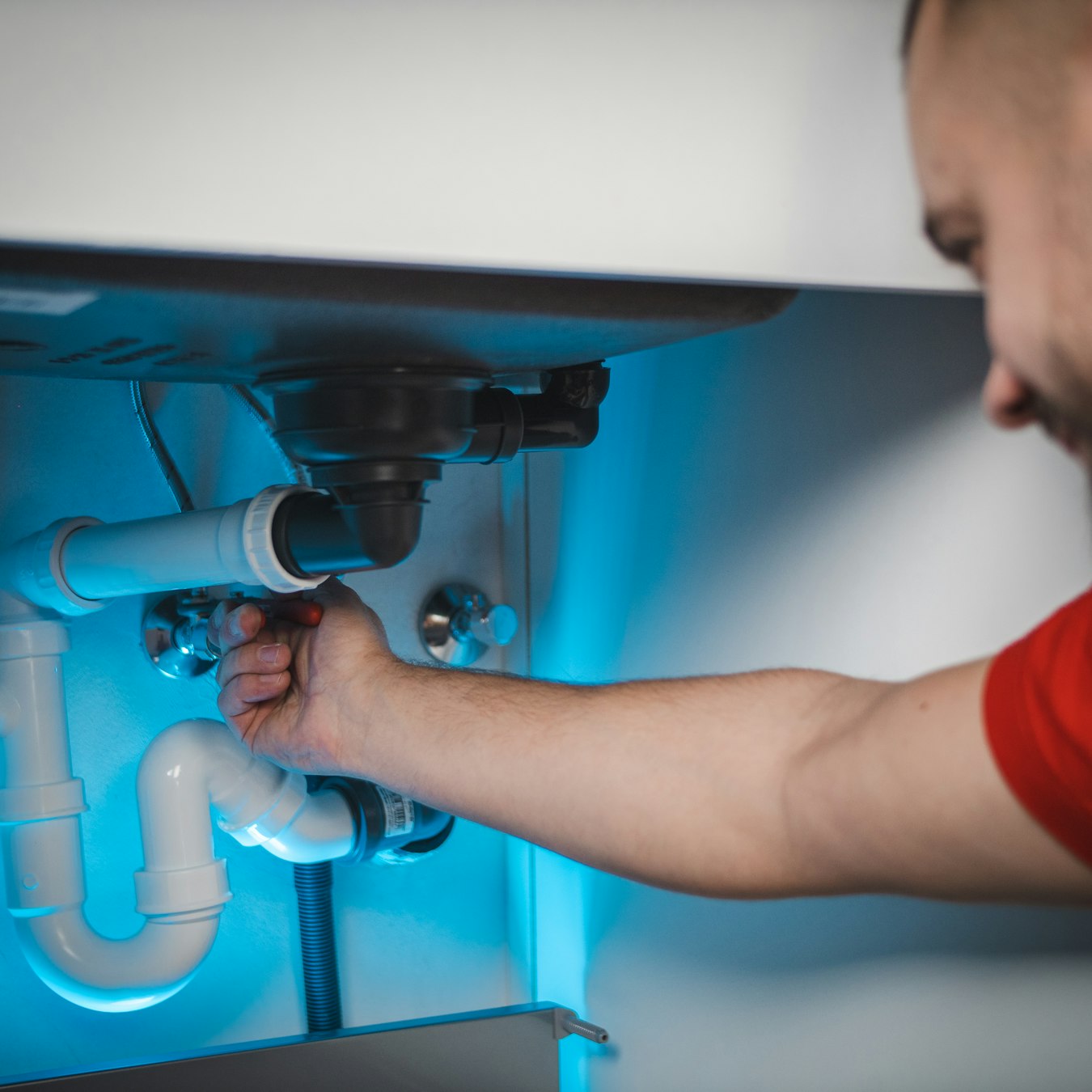
A recurring blockage may involve buildup, a foreign object, roots or a damaged or misaligned section of pipe. For a drain-cleaning job in Mitchell, note which fixtures are affected, when the trouble began and whether it returns after clearing. If the property has older clay-tile drainage, ask whether cutting roots or camera inspection is appropriate before renovation work. Newer PVC lines can also clog with wipes or grease. Photos of cleanouts and prior camera findings can help establish the right equipment and scope.
Explore this serviceSend the location, symptoms, equipment and access details. State whether the work is a repair, replacement or planned project.
The request is reviewed so the responding provider can clarify the work, property access and service coverage.
Agree the provider identity, qualifications, written scope, pricing and visit window directly. Sending a form does not confirm an appointment.
If inspection identifies roots in clay tile, mechanical cutting may clear the obstruction, while jetting may remove grease and residue that contribute to recurring trouble. Ask what pipe material and condition support the proposed method. Clearing a blockage does not establish that the pipe is structurally sound, so recurring symptoms may call for further inspection.
If updating an older bathroom, measure the available space and compare the new fixture’s dimensions, rough-in and connection locations with the existing arrangement. A modern style may still need to suit existing clearances or require changes. Ask which measurements should be confirmed before purchase so the selected pieces work with the room.
A meter that moves with fixtures off, a warm floor spot or nighttime pump cycling can point toward different parts of a system. Record timing and conditions, then ask which tests are proposed and what they can establish. Starting with observed evidence helps focus the investigation rather than opening walls without a location in mind.
If scale or other water concerns prompt a treatment project, identify the supply and obtain relevant test results before choosing a system. Hardness measurements can inform softening decisions, while other concerns require different tests. Comparing results with the equipment proposal helps avoid buying treatment that does not match the issue.
Photograph the rating plate, vent, shutoff, drain pan and nearby piping before requesting an estimate. Note leaks, unusual noises and how long hot water lasts. This information can help distinguish a straightforward tank replacement from work involving drainage, venting or connections, and makes proposed changes easier to compare.
Use the form to describe the property, the symptoms and the work requested. For Sebringville, Monkton, Listowel, St. Marys, include your postal code so local coverage can be checked.
Select a listed location for guidance or use the inquiry form. Provide the property location, equipment and access details so the provider can review the request.